 Howard ResearchHoward Research
MiraLink Celestial Lynchpin Engine
A research-driven commercialization platform for celestial geometry, harmonic alignment, the Solar Apex, the Howard Comma, observatory intelligence, and future API data services.
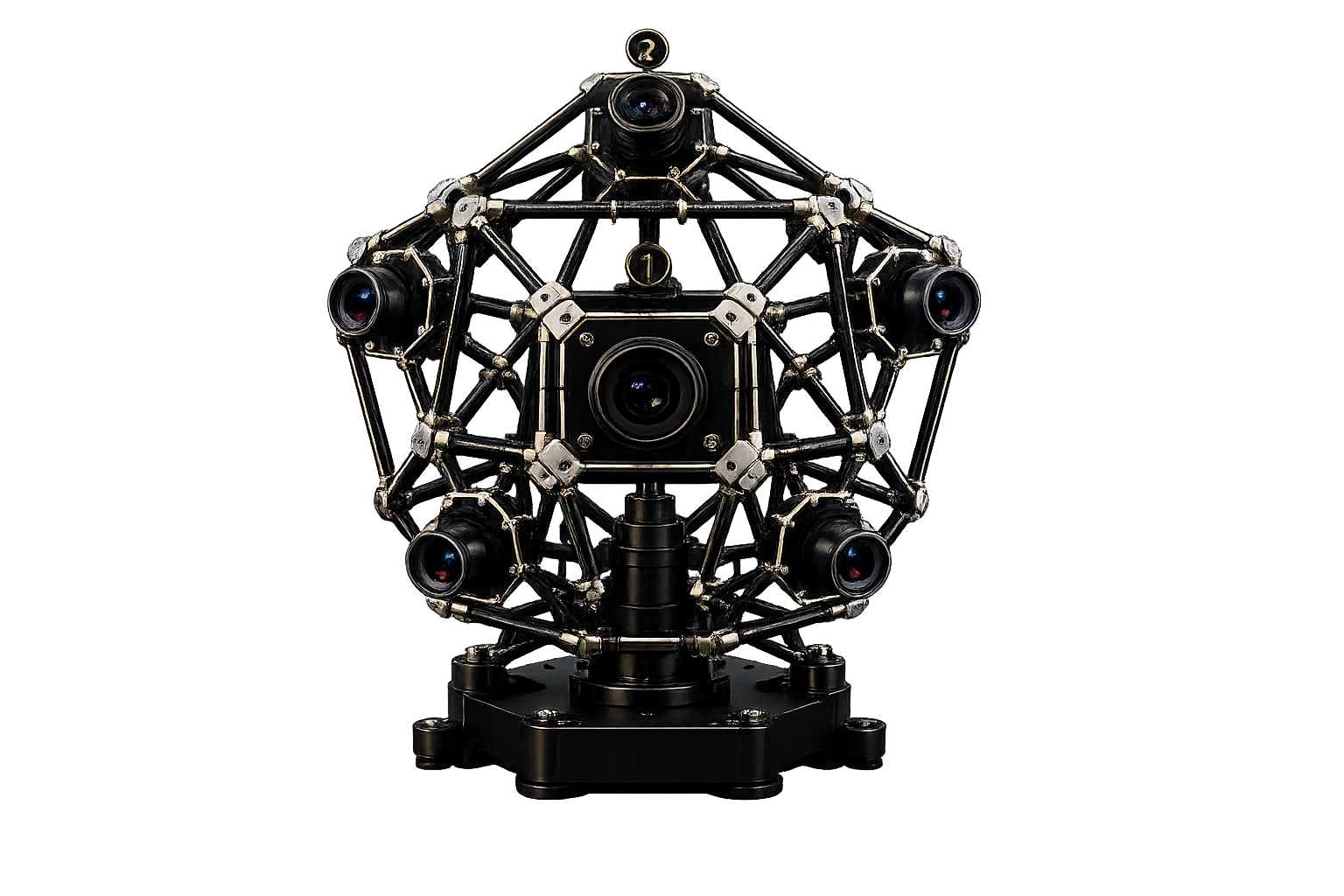

"The Universe is Speaking in Geometry. We Built the Equipment to Listen."
Real-time scientific values and alignment indicators from the Celestial Lynchpin framework.
Enter a latitude and longitude to generate a local celestial alignment profile.
Scientific Visual System
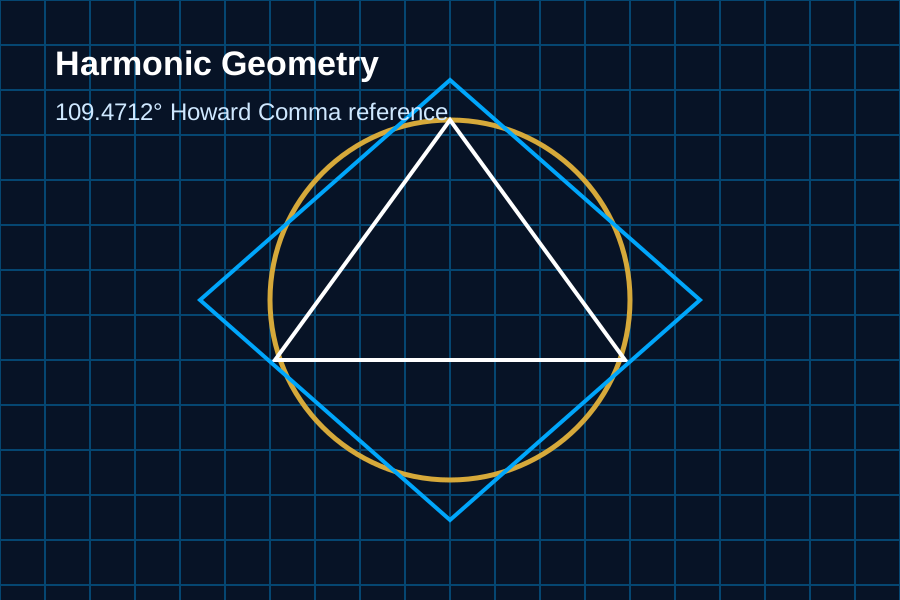
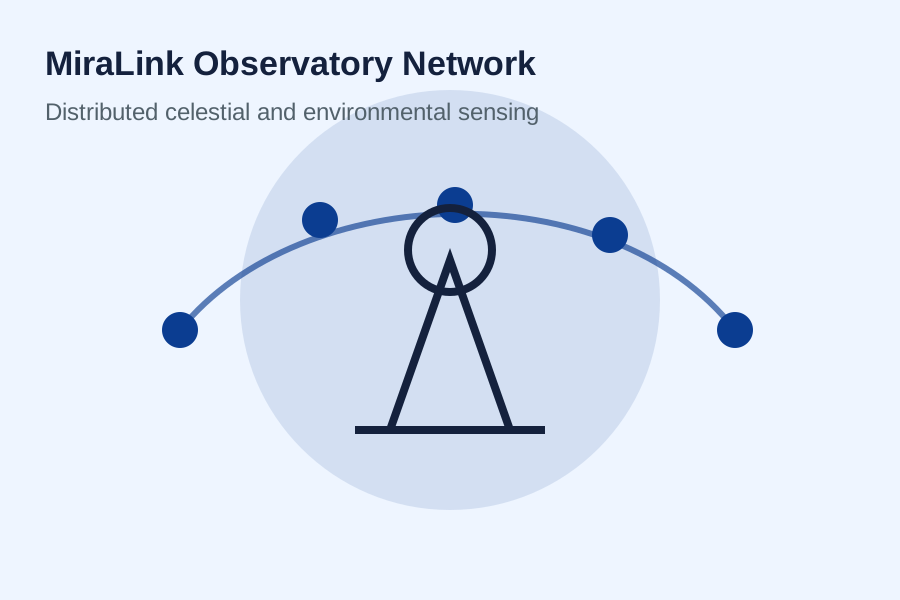
The images below make the site feel more scientific, showing the Lynchpin engine, harmonic geometry, deep-space observation, and distributed observatory infrastructure.
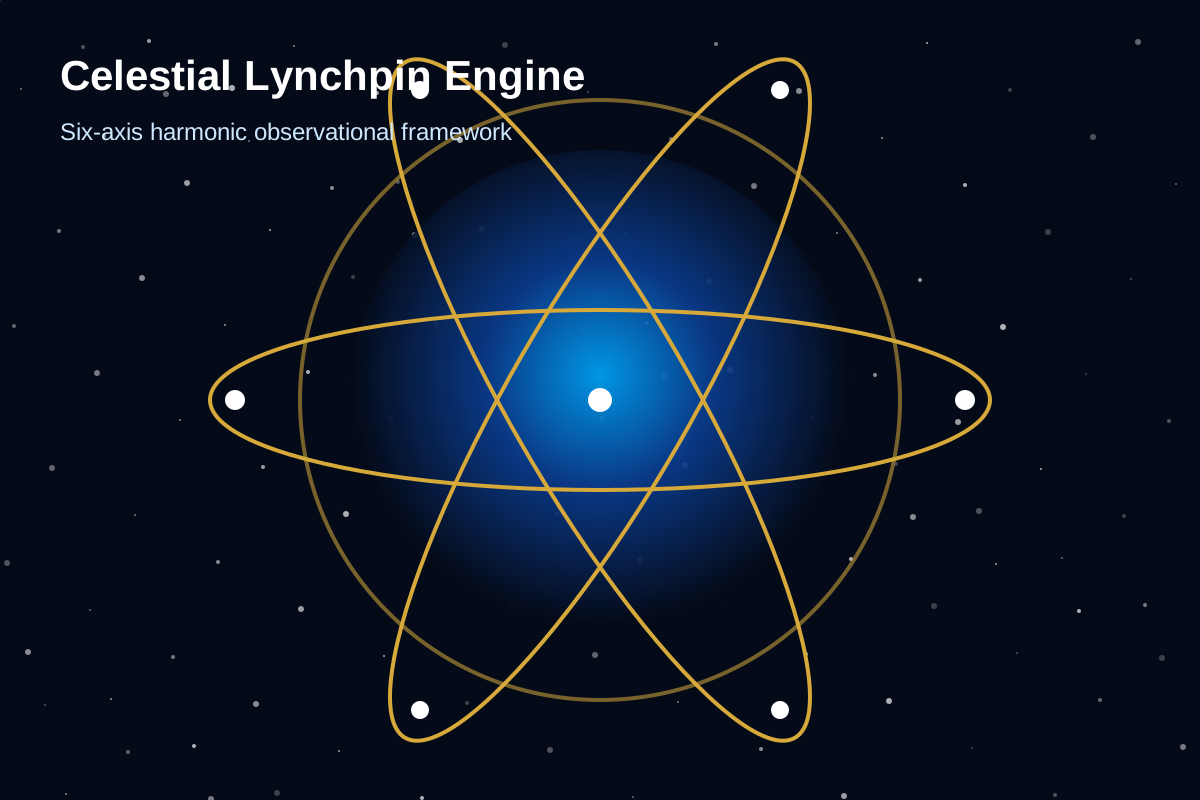
The Celestial Lynchpin is designed as a multi-plane astronomical observation system. Each viewing axis supports a specific scientific function, creating a data foundation for plate solving, spectroscopy, alignment intelligence, and Beyond Earth observation.
Core astronomical imaging, object tracking, and deep-sky observation.
Direct overhead sky monitoring for atmospheric conditions and all-sky reference data.
Celestial coordinate tracking aligned to right ascension and declination references.
Solar system object monitoring, planetary motion, lunar tracking, and ecliptic-plane studies.
Observation aligned to the Solar Apex vector and the Howard Comma harmonic geometry framework.
Phase-relational analysis, Lynchpin alignment calculations, and multi-axis coherence comparison.
VGTel Inc. develops advanced astronomy, observatory automation, and Beyond Earth observation technologies through the Howard Research platform. The organization integrates remote telescope networks, celestial imaging, plate solving, spectroscopy, and AI-assisted sky analysis. Beyond Earth observation is layered on top of the astronomy foundation.
VGTel Inc. supports scientific investigation of anomalous aerial and atmospheric phenomena through multi-sensor observation systems, astronomy-based verification methods, environmental monitoring, RF analysis, and advanced imaging technologies. The platform is designed to support collaboration with government agencies, research institutions, observatories, and scientific organizations seeking objective data collection and analysis.
Remote observatory operation, solar imaging, lunar observation, planetary tracking, and deep-sky imaging.
Astrometry, object identification, coordinate verification, star-field recognition, and catalog matching.
Spectral analysis for stars, nebulae, galaxies, atmospheric phenomena, and research-grade light signatures.
Galaxies, nebulae, star clusters, variable stars, supernova candidates, and transient event detection.
Telescope automation, weather monitoring, observatory health checks, scheduling, and multi-site operations.
STEM classroom access, guided astronomy modules, student observation projects, and public live-sky events.
Atmospheric monitoring, environmental sensing, unusual sky activity analysis, and multi-sensor intelligence.
Publications, models, technical notes, and data papers supporting the Howard Vision scientific framework.
A six-axis observational framework designed to monitor harmonic celestial alignment, positional coherence, and geometric field relationships.
White PaperGeometryA signal framework for identifying coherence, phase relationships, and repeating structures across observational datasets.
Signal IntelligenceA harmonic angle study centered on 109.4712 degrees and its application to geometry, alignment, resonance, and universal positioning concepts.
109.4712°A distributed environmental and astronomical monitoring platform designed for global observational intelligence.
ObservatoryA ResearchGate-style publication area that supports scientific credibility while giving partners, investors, and commercial users a clear path to review the technical foundation.
Public white paper supporting MiraLink phase-relational signal intelligence, multi-sensor fusion, AI-assisted analysis, aerospace awareness, and anomaly detection research.
Public White PaperMiraLinkSignal IntelligenceTechnical publication area for the phase-relational research direction, harmonic relationships, sensor correlation, and future peer-review documentation connected to the Howard Vision scientific platform.
Technical ReportResearchGateFigshareHoward Vision should feel like serious research, while clearly informing visitors that the technology is moving toward licensing, API access, observatory data services, wellness integrations, and enterprise deployment.
Subscription access for celestial alignment, harmonic values, Solar Apex references, and observatory intelligence.
University, educational, and scientific research use cases for publications, datasets, and simulator tools.
Commercial, aerospace, observatory, and institutional deployment opportunities.
Harmonic values for meditation, yoga, mindfulness, biofeedback, and location-based alignment experiences.
Howard Research is designed to support recurring data access, API subscriptions, observatory intelligence services, and commercial licensing built from astronomy-first infrastructure.
Subscription access to Solar Apex data, Howard Comma calculations, harmonic alignment values, and observatory intelligence.
Recurring Revenue ModelRemote sky feeds, sky quality metrics, telescope integrations, environmental sensing, and research-grade observation data.
Data LicensingAutomated object recognition, anomaly detection, spectral classification, and structured observation reports.
Enterprise AccessCommercial reports, scientific datasets, alignment studies, educational tools, and institutional licensing opportunities.
Commercial LicensingProposed and active Celestial Lynchpin observation nodes for global sky monitoring and harmonic alignment studies.
Beta observation node for real-time sky monitoring, environmental sensing, and alignment testing.
Southern Hemisphere deep-sky observation site for high-quality astronomical imaging and data capture.
Southern sky monitoring node for wide-field imaging and harmonic alignment comparison.
Southwest U.S. desert observation corridor for long-duration celestial monitoring.
Future access point for Lynchpin alignment data, harmonic values, observatory feeds, plate-solving results, spectrograph readings, environmental telemetry, and public scientific datasets.
/api/sky
/api/topalignments
/api/harmonics
/api/solarapex
/api/howard-comma
/api/galactic-plane
/api/ecliptic-plane
/api/equatorial-plane
/api/platesolve
/api/image/upload
/api/image/wcs
/api/image/field-center
/api/image/star-count
/api/image/fwhm
/api/image/quality
/api/image/timelapse
/api/spectrograph
/api/spectrum/upload
/api/spectrum/calibrate
/api/spectrum/emission-lines
/api/spectrum/absorption-lines
/api/spectrum/redshift
/api/spectrum/signature
/api/spectrum/report
/api/observatories
/api/node/status
/api/mount/pointing
/api/mount/tracking
/api/camera/status
/api/allsky
/api/weather
/api/seeing
/api/environment
/api/magnetics
/api/rf
/api/radiation
/api/lightning
/api/pressure
/api/air-quality
/api/sensor-fusion
/api/events
/api/anomalies
/api/meteors
/api/satellites
/api/transients
/api/uap-review
/api/alerts
/api/mission-log
/api/reports
/api/licensing
/api/subscriptions
/api/enterprise-feed
/api/research-feed
/api/wellness-feed
/api/education-feed
/api/data-export
Generate location-based celestial alignment reports, plate-solving reports, spectrograph summaries, observatory status reports, wellness alignment summaries, and enterprise data packages.
White papers, data files, technical diagrams, simulator output, spectral datasets, plate-solving examples, observatory logs, and future peer-reviewed references.
Developer, research, and enterprise access to Howard Research astronomy APIs, observatory intelligence, Celestial Lynchpin alignment data, and commercial data products.
Terrence Howard and the VGTel team bring together public company leadership, astronomy operations, aerospace coordination, neuroscience research, celestial geometry, advanced observation technologies, and strategic commercialization to support the development of the Howard Research platform and the Celestial Lynchpin ecosystem.
Science • Astronomy • Observatory Intelligence • Strategic Innovation
Chief Executive Officer
Corporate leadership, public company strategy, MiraLink vision, and Beyond Earth platform development.
Aerospace & Government Relations
Aerospace coordination, government-facing outreach, field operations, and strategic mission alignment.
Neuroscience Research Advisor
Neuroscience perspective supporting signal analysis, biological pattern research, and cross-domain scientific exploration.
Chief Astronomer
Astronomy operations, observatory planning, celestial imaging strategy, and scientific observation guidance.
Celestial Geometry & Innovation Advisor
Advisory role focused on Lynchpin geometry concepts, harmonic relationship thinking, and visionary scientific interpretation.
Mergers & Acquisitions Manager
Strategic transactions, partnership structuring, acquisition opportunities, and corporate development support.